
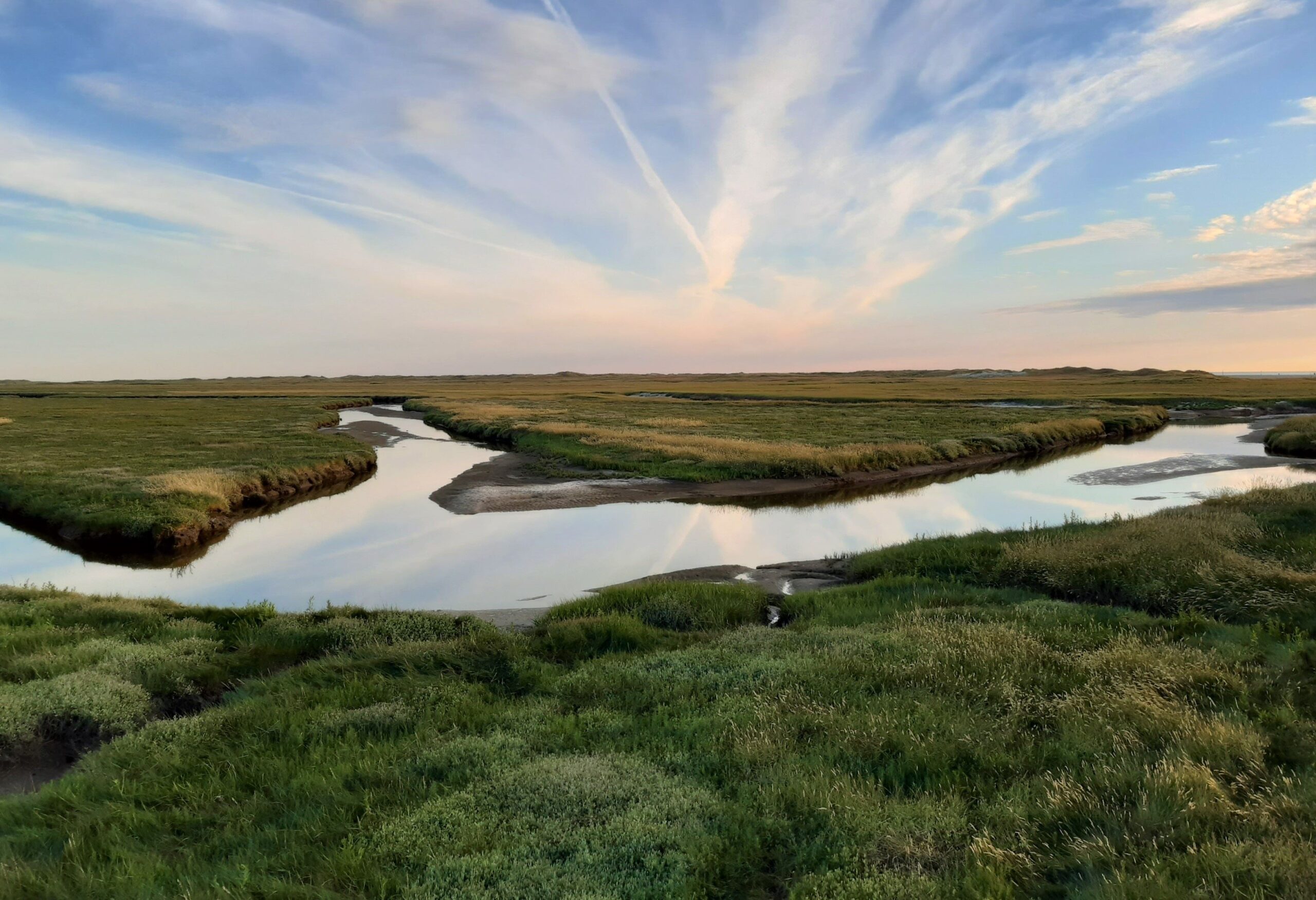
Salt marshes don’t receive the recognition they deserve because they are often overlooked and trampled. What some people see as stretches of muddy grass are ecosystems battling climate change.
These coastal wetlands are among the best climate shields we have. They do amazing things like protecting shorelines from storms and sequestering carbon into the ground, and they do this completely free of charge.
What Exactly Is a Salt Marsh?
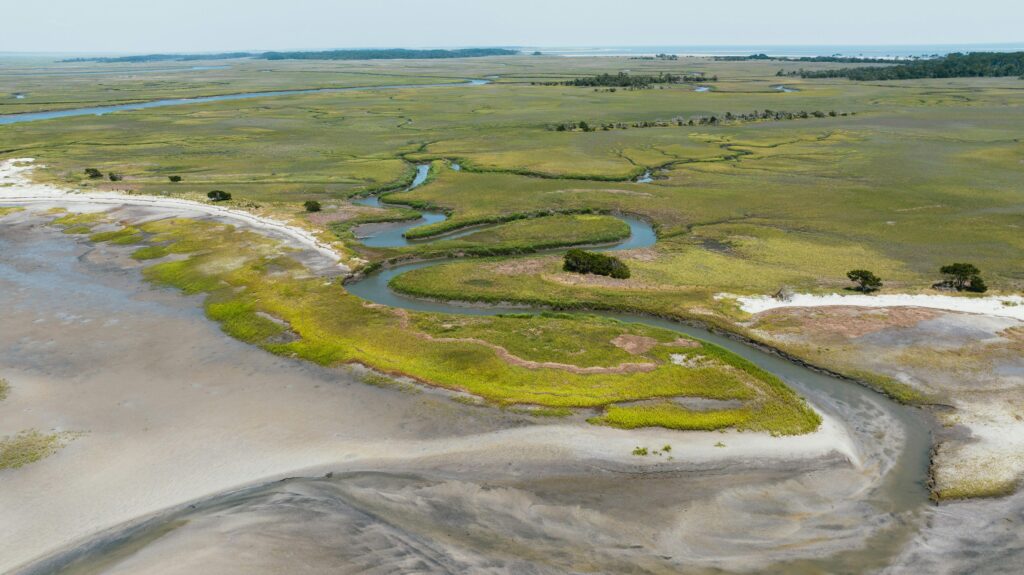
Salt marshes are located at the transition between land and sea. Salt marshes sustain tough plants and grassy environments and support regular tidal inundation that brings sediments and salt from the ocean.
They smell bad. They can look ugly. But they are one of the strongest ecosystems on the planet. They are not hard to find since they blanket protected coastlines and river deltas as well. Most people ignore them, and that is a shame.
How Salt Marshes Provide Storm Protection
When a storm surge rolls in, salt marshes take the hit first. They stand between the sea and everything behind them. Dense roots and thick plants slow down rushing water. Wave height and speed drop before the water ever reaches homes, roads, or farms.
Studies show a healthy marsh can cut wave height by up to 70% over a short stretch of coastline. That’s serious storm surge protection. And it costs nothing.
Here’s what they do for shoreline protection:
- They absorb wave energy before it hits dry land
- Deep roots hold soil in place and stop erosion
- They slow storm surges and cut flood damage
- They act as natural flood barriers for coastal communities
Coastal habitat restoration projects now intentionally use salt marshes as natural flood protection. It’s cheaper than sea walls and lasts longer, too. Coastal communities with healthy marshes nearby also tend to see less damage after big storms. The marsh acts like a living wall. One that gets stronger every year.
Salt Marsh Carbon Storage: It’s All in the Mud
This is where the story turns. Under every salt marsh lies a thick layer of dark, wet mud with very little oxygen. And that mud is packed with carbon.
When marsh plants die, they fall into the soil. On dry land, dead plants break down fast, and carbon is sent back into the air. But salt marsh soil stays wet and salty. Oxygen barely gets in. As a result, plant material breaks down very slowly. The carbon stays buried for hundreds or even thousands of years.
This is called carbon sequestration. Salt marshes are excellent at it.
Scientists call the carbon stored in coastal wetlands “blue carbon.” Salt marshes, mangroves, and seagrass beds store carbon at a rate ten times higher than tropical forests. Per acre, you get a huge amount of long-term salt marsh carbon storage.
One major study analyzed data from over 3,700 soil cores collected worldwide. It found tidal marsh soils hold around 1.44 billion metric tons of carbon in just the top meter of soil. To say it plainly, burning all that carbon would equal the energy use of over 700 million homes.
What Happens When We Lose Salt Marshes?
Salt marshes are arguably the most useful ecosystems. The combined impacts of coastal farming, coastal development, and pollution fully threaten salt marshes. When these marshes are drained, paved, and filled, all captured and calcified Carbon is lost.
Carbon continues to seep back into the atmosphere as CO2 and CH4, both of Which Are Greenhouse Gases. Marshes are destroyed for growing populations and the need for more land, but as these marshes are paved and filled, they lose their capacity to control the coast and become gushing sources of captured Carbon. It is a double loss of our economic, ecological, and coastal buffer.
Salt Marsh Restoration Can Turn Things Around
Here’s the bright side. Salt marshes bounce back well. Salt marsh restoration projects across the U.S. and beyond prove that when you let the sea return to drained land, the marsh recovers quickly. Carbon builds up again. Coastal resilience returns.
Organizations like The Nature Conservancy work with local communities on living shorelines. These wetland conservation efforts bring real results. Restored marshes cut flooding, support fish and birds, and pull carbon from the air year after year.
Every acre of coastal habitat restored is one more acre doing its job.
A Simple Point
When you go to the coast next time, try to spot the grassy marshes. If you see muddy areas with curling creeks, you have found it. You are looking at a functioning salt marsh. They have been silently defending land and gathering carbon for many years.
We still have the opportunity to protect these marshes. Salt marsh restoration is highly effective and one of the best options for addressing both climate change and flooding; we just need to stop destroying these areas.