Blog

Resilient Communities: Preparing the Watershed for Climate Extremes

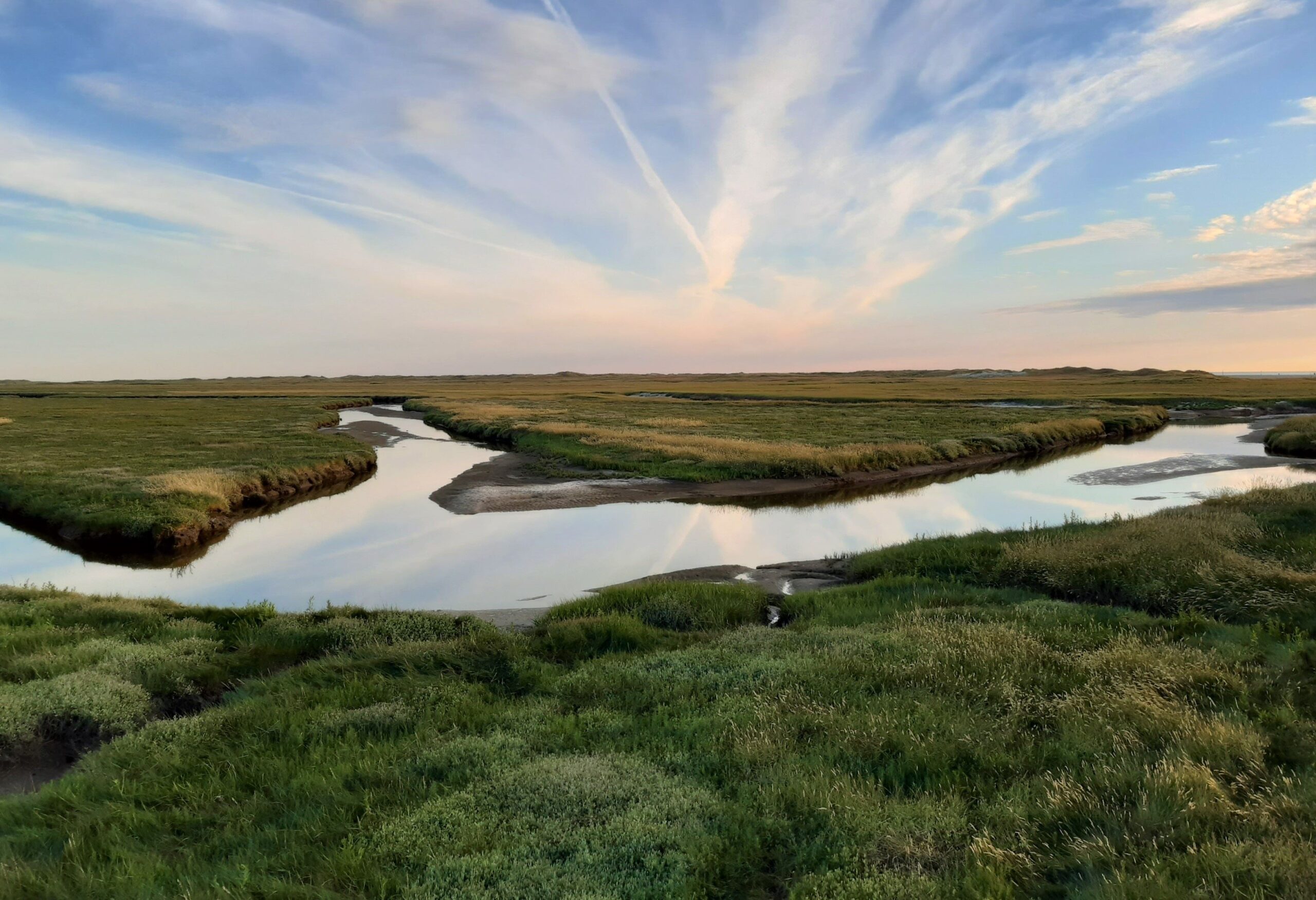
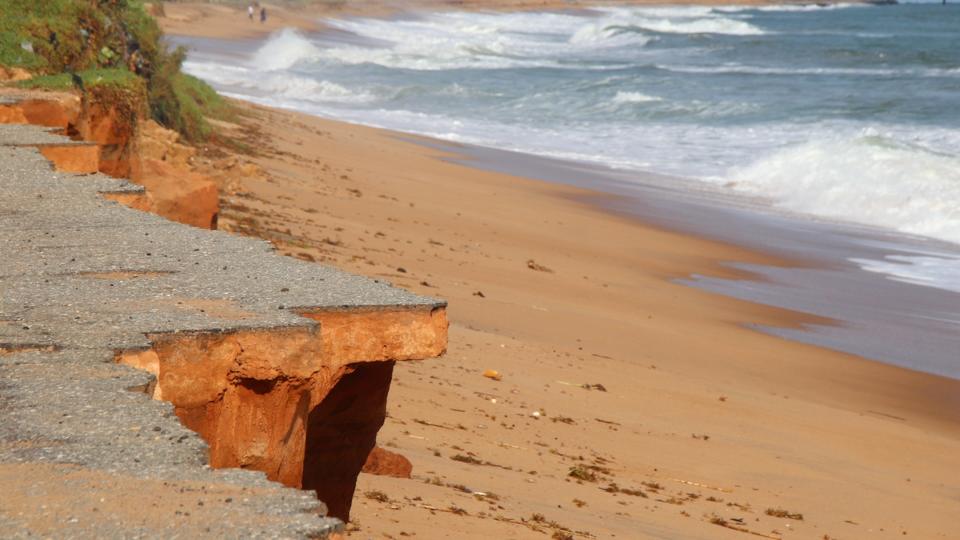
Understanding the Challenge The worldwide reality shows that climate extremes composed of storm intensity and extreme droughts together with heightened temperatures and rising sea levels occur more commonly and intensively. The water system that moves land-based water toward rivers and lakes and bays stands as the central point in this difficulty. The state of watersheds […]
The Hidden Link Between Forests and Clean Water

Nature’s Water Filter People usually admire forests because they contain diverse life forms and stunning beauty while their essential ability to purify water stays beneath the general awareness. Forests through their natural filtering action contribute substantially to preserving water quality that serves both wilderness and human settlements alongside all creatures. The water filtration process works […]

Watershed to Table: How Clean Water Sustains Local Food and Fisheries

The Lifeline of Local Food Systems Every thriving fishery, together with a successful local food system, depends on clean water as its essential foundation. Water quality and availability, starting at high watershed elevations, determine crop productivity, livestock safety and sustainability, and aquatic life health. Rainwater that passes through healthy watersheds is filtered and stored as a dependable source for […]

The Role of Citizen Science in Watershed Protection

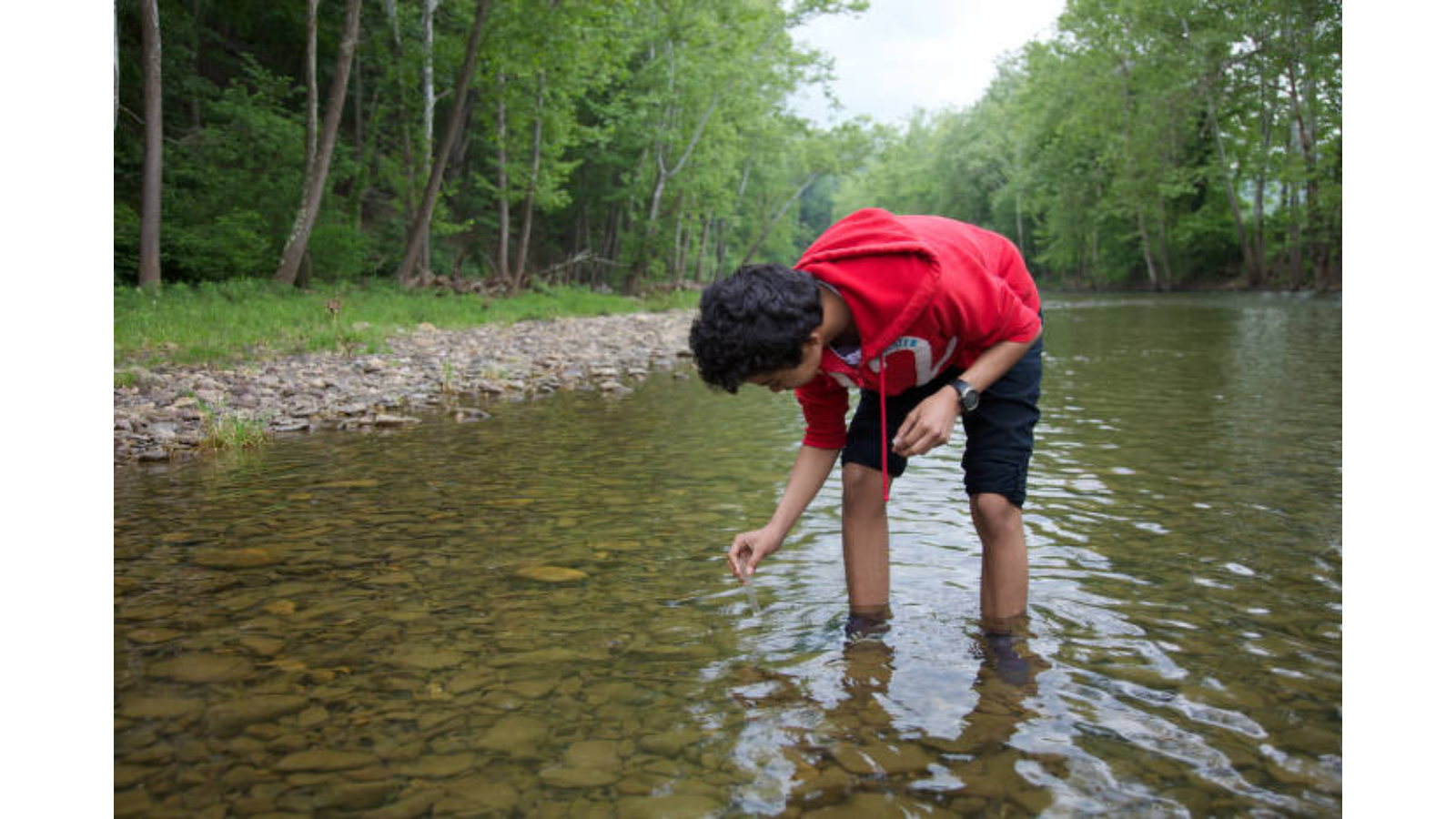
Expanding the Reach of Water Monitoring Daily citizens are reshaping watershed protection through their actions of gathering water-quality data and their ability to process and distribute this significant information. Government agencies, along with scientific experts, have traditionally managed water monitoring, but many streams, lakes, and rivers remain without testing due to resource constraints. The scientific […]

Recreation and Risk: The Science Behind Beach Closures

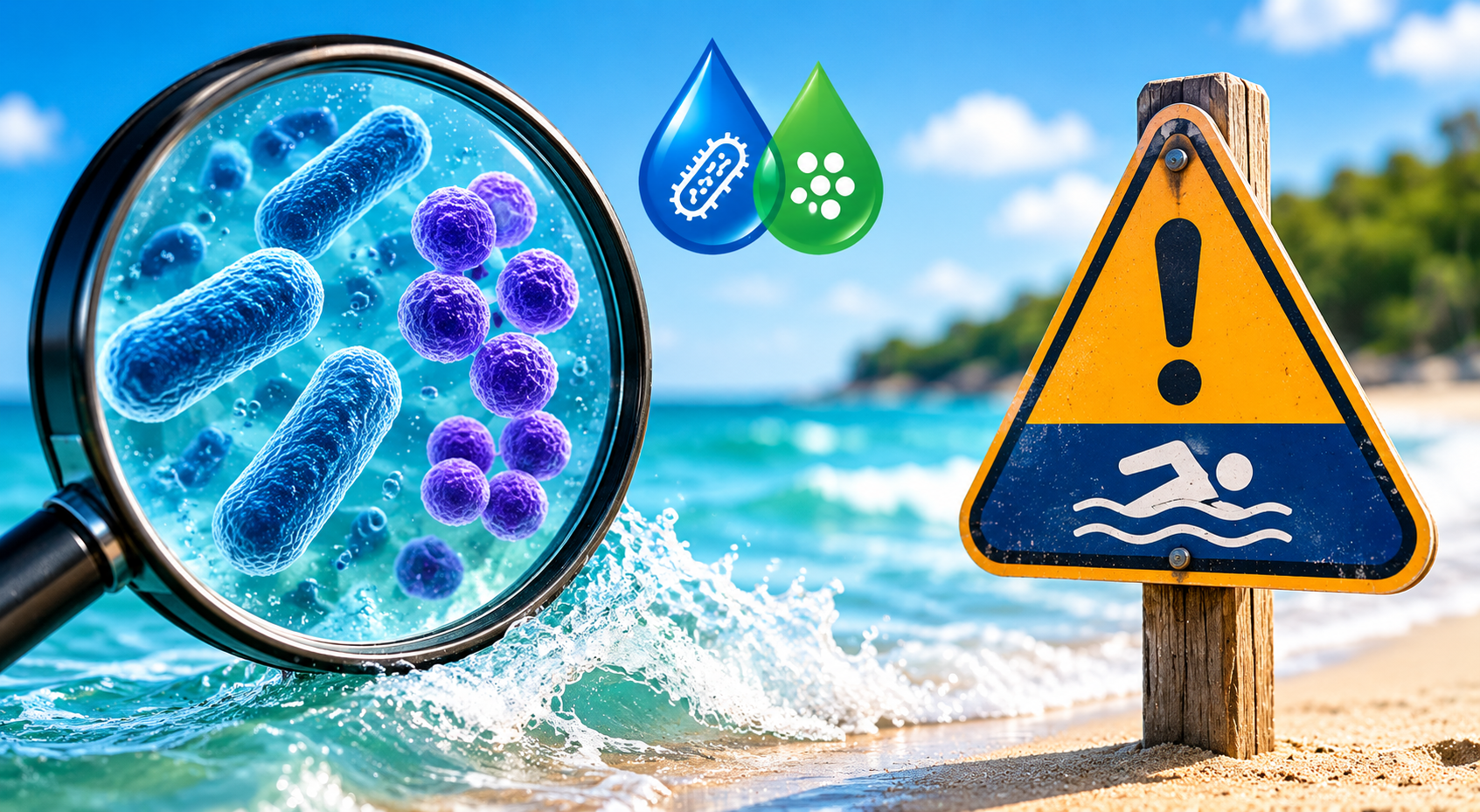
Coastal communities, together with their visitors, experience beach closures as familiar yet annoying events mainly during the summer season. Every beach closure results from scientific procedures that protect public health by detecting hidden water-based threats. The scientific processes behind beach closures demonstrate how officials manage recreation and safety risks through advancing technological methods for swimmer […]

Beyond the Surface: What Water Quality Tests Really Tell Us

Unlocking the Story in Every Drop The combined chemical and biological parameters in these tests enable a comprehensive assessment of water safety and ecosystem health. Water quality tests provide more than visual clarity inspections because they expose the concealed information about what water systems contain. The physical, chemical, and biological parameters combined in these tests […]

Monitoring Matters: How We Track the Health of Our Watershed

Why Monitoring Is Essential Water resource management strictly depends on watershed monitoring programs. Scientific teams, together with resource managers, obtain relevant information on water quality, along with habitat data and biological community structures, to evaluate the condition of rivers and streams and surrounding territories. The collected data serve essential purposes, including detecting pollution sources, monitoring […]

Open Space Matters: Saving Land to Save Water

The Crucial Connection Between Land and Water Open spaces which include forests and wetlands and natural grasslands function as essential protectors of water purity. Multiple studies confirm that our land utilization patterns determine how well our water supply remains pure. The conservation of forests along with natural lands creates living water purification systems which collect […]

Invasive Species in the Bay: What You Need to Know and How to Help

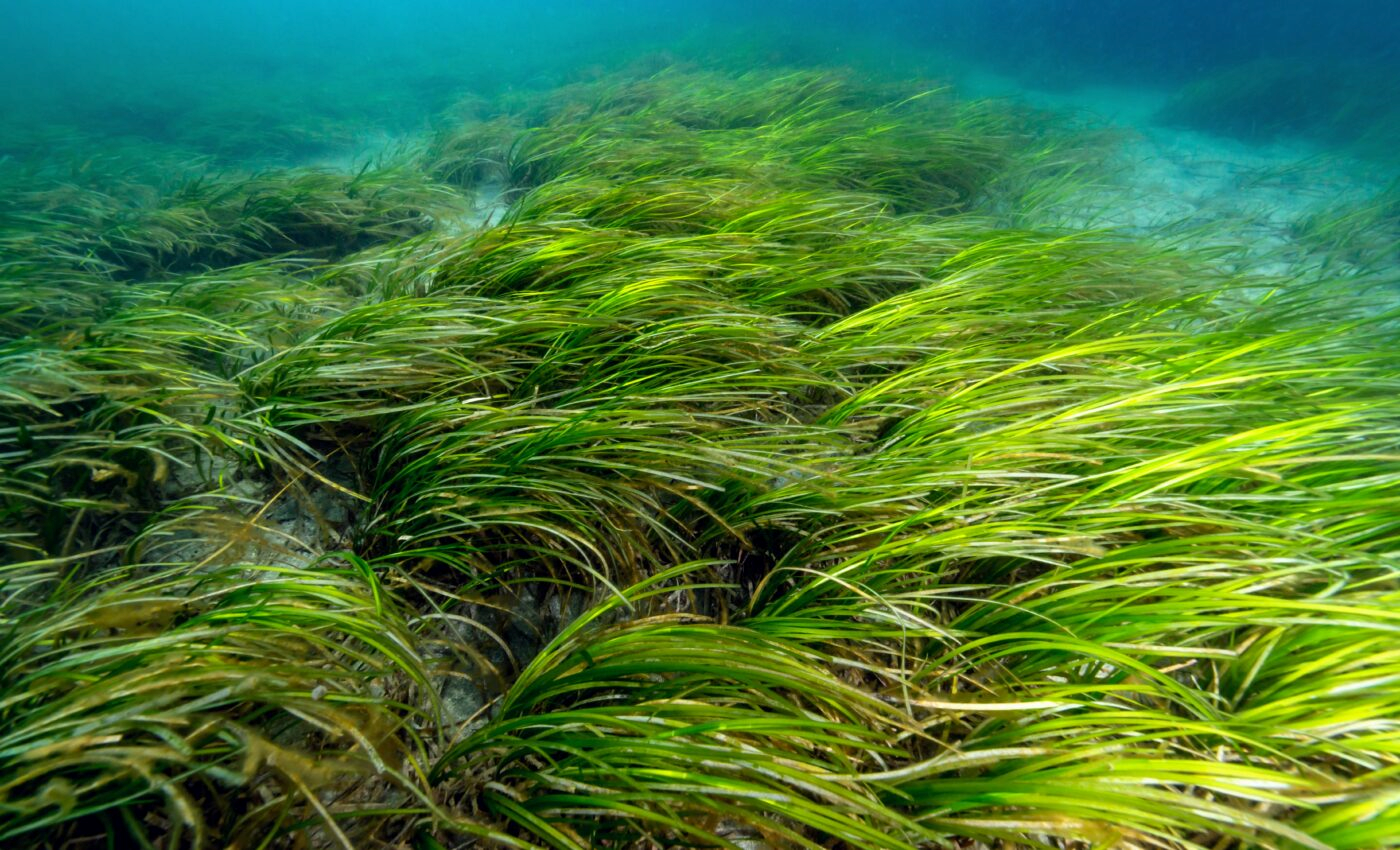
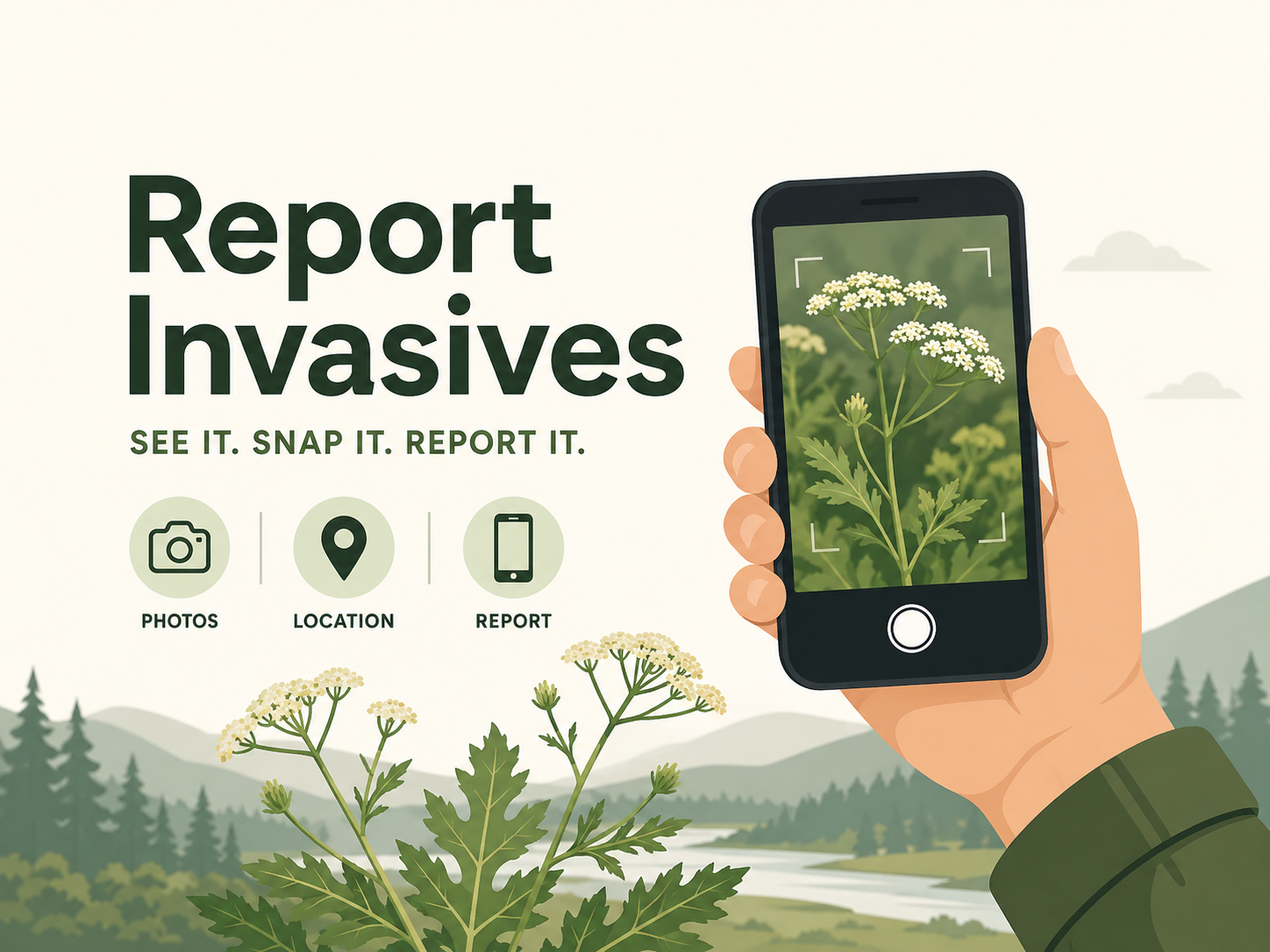
Understanding the Threat Non-native plants, animals, and microbes constitute invasive species that enter new ecosystems due to human activities, disrupting the natural ecosystem equilibrium. Invasive species that enter bays and estuaries compete with native species for resources while altering habitats and nutrient cycles. The destructive effects spread widely, harming biodiversity, endangering fisheries and recreational activities, […]

Scroll to top