Blog

Invasive Species in the Bay: What You Need to Know and How to Help

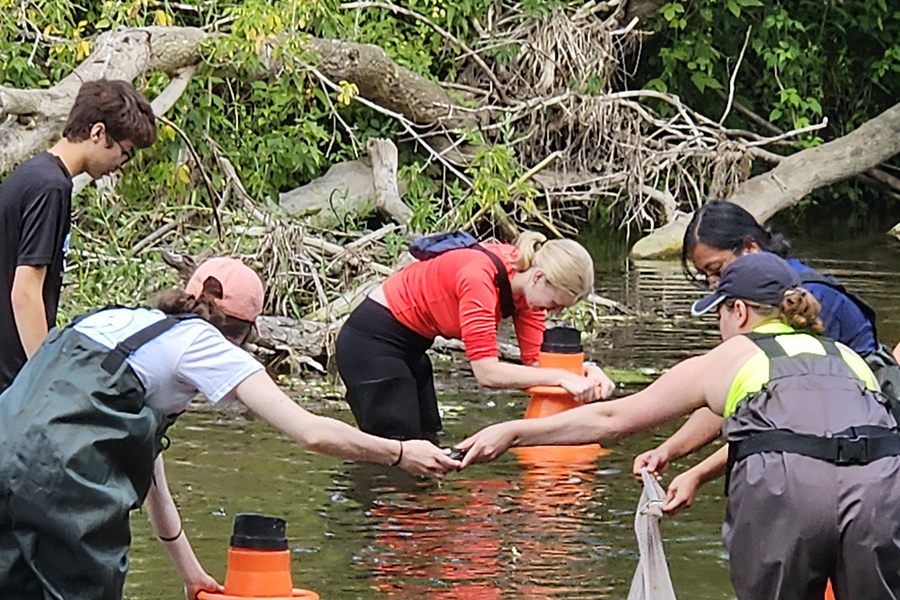
Understanding the Threat Non-native plants, animals, and microbes constitute invasive species that enter new ecosystems due to human activities, disrupting the natural ecosystem equilibrium. Invasive species that enter bays and estuaries compete with native species for resources while altering habitats and nutrient cycles. The destructive effects spread widely, harming biodiversity, endangering fisheries and recreational activities, […]

Resilient Communities: Preparing the Watershed for Climate Extremes

Understanding the Challenge The worldwide reality shows that climate extremes composed of storm intensity and extreme droughts together with heightened temperatures and rising sea levels occur more commonly and intensively. The water system that moves land-based water toward rivers and lakes and bays stands as the central point in this difficulty. The state of watersheds […]

Saltwater Systems Under Pressure: Protecting Estuaries in a Changing World

Estuaries at the Crossroads Estuaries are among the most productive and essential ecosystems worldwide because they serve as the meeting point between fresh river water and ocean saltwater. These geographic regions act as natural environmental filters, reinforcing shoreline stability, protecting coastal settlements from flooding, and fostering an ecological habitat for numerous species. Modern global changes […]

How Climate Change is Reshaping the Narragansett Bay Watershed

Rising Temperatures and Sea Levels The Narragansett Bay watershed is experiencing dramatic physical, ecological, and economic changes driven by climate change. The water temperatures in Narragansett Bay have risen by 3 degrees Fahrenheit over the last century, and sea levels have increased by 7 inches. The warming pattern increases the rate of sea level rise, posing risks to […]

Scroll to top