

The Lifeline of Local Food Systems
Every thriving fishery, together with a successful local food system, depends on clean water as its essential foundation. Water quality and availability, starting at high watershed elevations, determine crop productivity, livestock safety and sustainability, and aquatic life health. Rainwater that passes through healthy watersheds is filtered and stored as a dependable source for irrigation, livestock, and aquaculture. Community members achieve greater food security through high-quality watershed management practices that create better livelihoods and support lasting local economies.
Agriculture: Growing Food with Clean Water
Farmers require clean water for agricultural operations beyond crop and livestock hydration, as it enables them to produce safe, high-quality food products. The use of pure water in agricultural irrigation promotes beneficial plant growth and increased production while minimizing the risks of harmful substances and disease contamination. Contamination of water sources leads to crop contamination with harmful residues and waterborne diseases that affect livestock, threatening both food safety and public health. Maintaining forests alongside erosion prevention in watersheds produces clean water sources, leading to increased food production and secure food consumption.
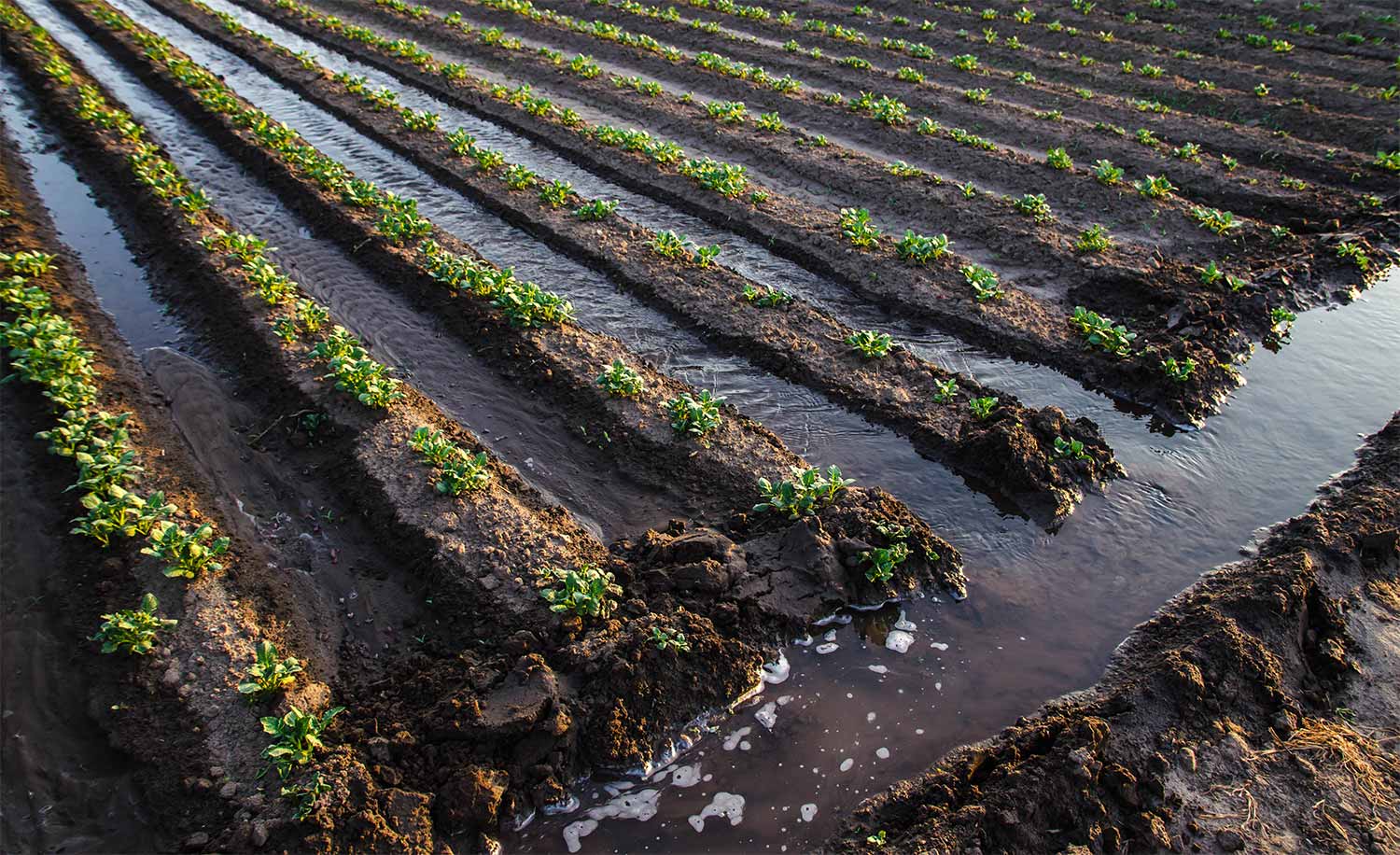
Smallholder farmers specifically achieve advantages from well-managed watersheds. Watersheds store rainwater, providing drought protection during periods of water scarcity in various regions. Stable farming conditions enable both nutritious food for local family members and farmers to market additional yields, strengthening rural economies and advancing community health.
Fisheries: Clean Water, Healthy Harvests
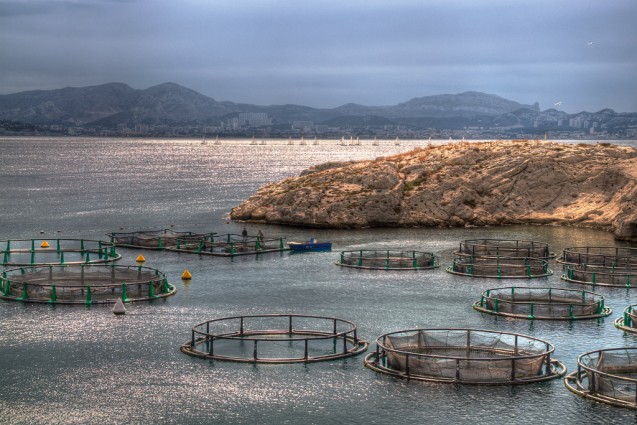
The success of fisheries, together with aquaculture operations, depends entirely on water purity. Nurseries for commercially important fish and shellfish species occur in estuaries, rivers, and coastal bays. Clean water conditions help sustain high population levels in these environments, providing stable protein resources and income for residents. The combination of agricultural runoff and industrial waste, along with sewage pollution, leads to aquatic environments receiving excessive nutrients and heavy metals, and to contamination by pathogens, creating fisheries events that include harmful algal blooms and dead fish, as well as unsafe seafood contamination. The effort to keep pollution out of upstream watersheds remains essential to achieving safe seafood and healthy fisheries.
The Interconnectedness of Water, Food, and Community
The water cycle that leads food from its watershed to dining tables demonstrates how land depends on water for the benefit of human communities. Water quality is affected by food system operations, including crop farming, livestock breeding, and fish cultivation, creating a management challenge. Thorough implementation of sustainable watershed practices, with a focus on riparian buffers, reduced chemical use, and waste management, supports water quality maintenance for communal use.
Safeguarding the Future
The investment in clean water, along with healthy watersheds, develops into fundamental protection for food security alongside public health outcomes and targeted economic development. Protected watersheds will secure local food and fisheries sustainability in the coming years as climate change and population growth continue to intensify. The fundamental ingredient for maintaining our food supply and community strength runs from agricultural fields to fishing boats, thanks to clean water.