
Tides: The Pulse of the Bay
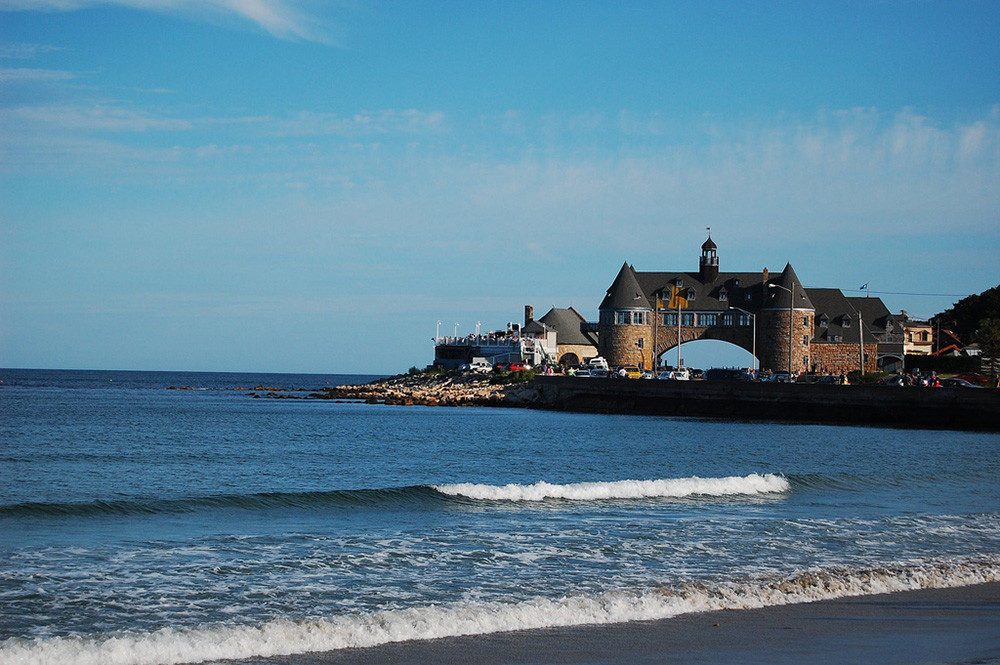
From the first blush of sunrise over the calm surface to the hush of twilight as the moon rises, Narragansett Bay pulses with a rhythm set by the tides. The ocean waters experience a regular semi-diurnal cycle, generating two high tides and two low tides every 24 hours and 50 minutes. The gravitational forces of the moon and the sun generate a natural bay-wide timing system that controls every aspect of life in the bay.
The tide is at its lowest point during early-morning spring days, revealing the mudflats and rocky outcrops. The feeding grounds attract large numbers of shorebirds who use their bills to search for worms and shellfish that remain after the water has withdrawn. The bay continues flooding as the morning progresses, reaching its peak at high tide late morning. During high tide, the rising water level reaches four feet above low tide, submerging the flats and delivering new nutrients, along with plankton, to the estuary. Fish, along with crabs and other marine creatures, use the incoming waters to access fresh feeding grounds.
Sunlight, Moonlight, and the Changing Sky
The movement of sunlight throughout the day and changing light patterns function as essential elements that match the tidal cycle of the bay. The bay receives golden illumination from the early April sunrise, which begins at 5:45 AM, signaling the start of both wildlife and human activity. The water’s surface becomes a stage for fishermen and kayakers while gulls produce their initial calls during this time. The bay surface mirrors the changing sky as the sun reaches its peak.
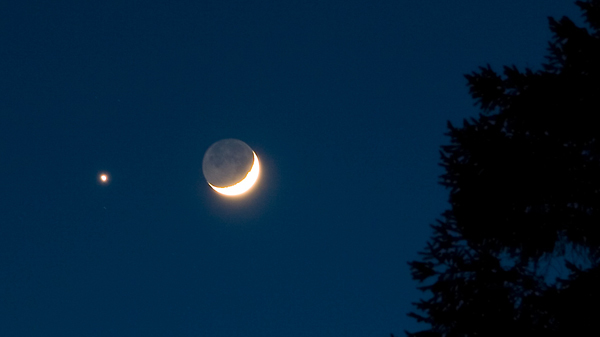
The bay enters a calm state at 7:42 PM during the late April sunset period. The exposed sandbars and tidal pools during low tide attract crab seekers among children while families walk the shoreline. As the deepening dusk deepens, the moon emerges, showing either a slim crescent or a brilliant full form, creating a silvery pathway across the water. The combination of sunlight and moonlight serves as a navigational guide for tides and simultaneously controls the conduct of various ocean creatures, including fish spawn and night-flying birds.
The Tidal Clockwork and Its Influence
Narragansett Bay tides are monitored at various points throughout the waterbody, but each location shows minor differences in timing and height. The tidal range increases from 3.6 feet at the mouth of the bay to 4.6 feet at its head. The bay’s productivity depends entirely on this predictable water-level pattern, which serves as its fundamental operating force. The system experiences two daily water movements that distribute nutrients and oxygen and support tiny organisms, creating abundant food webs and healthy habitats.
Neap and spring tides occur every 14.8 days across the bay, which creates yet another natural rhythm for the bay to follow. Natural cycles control actions such as navigation and fishing, and determine when marsh plants grow and when shorebirds build nests.
Life in Sync with the Bay
People who spend time in the Narragansett Bay area naturally observe its recurring patterns. People must wait for the tides to determine suitable times for launching boats, as well as for shellfish harvesting and fishing. The habitats that support wildlife, along with the water-based recreational activities, exist because tides shape these coastal areas. The bay operates on its own natural time cycle, from sunrise to sunset and back, which reflects the ancient relationship between earth, water, and sky that shapes the daily experience of the Narragansett waters.