
Nature’s Water Filter
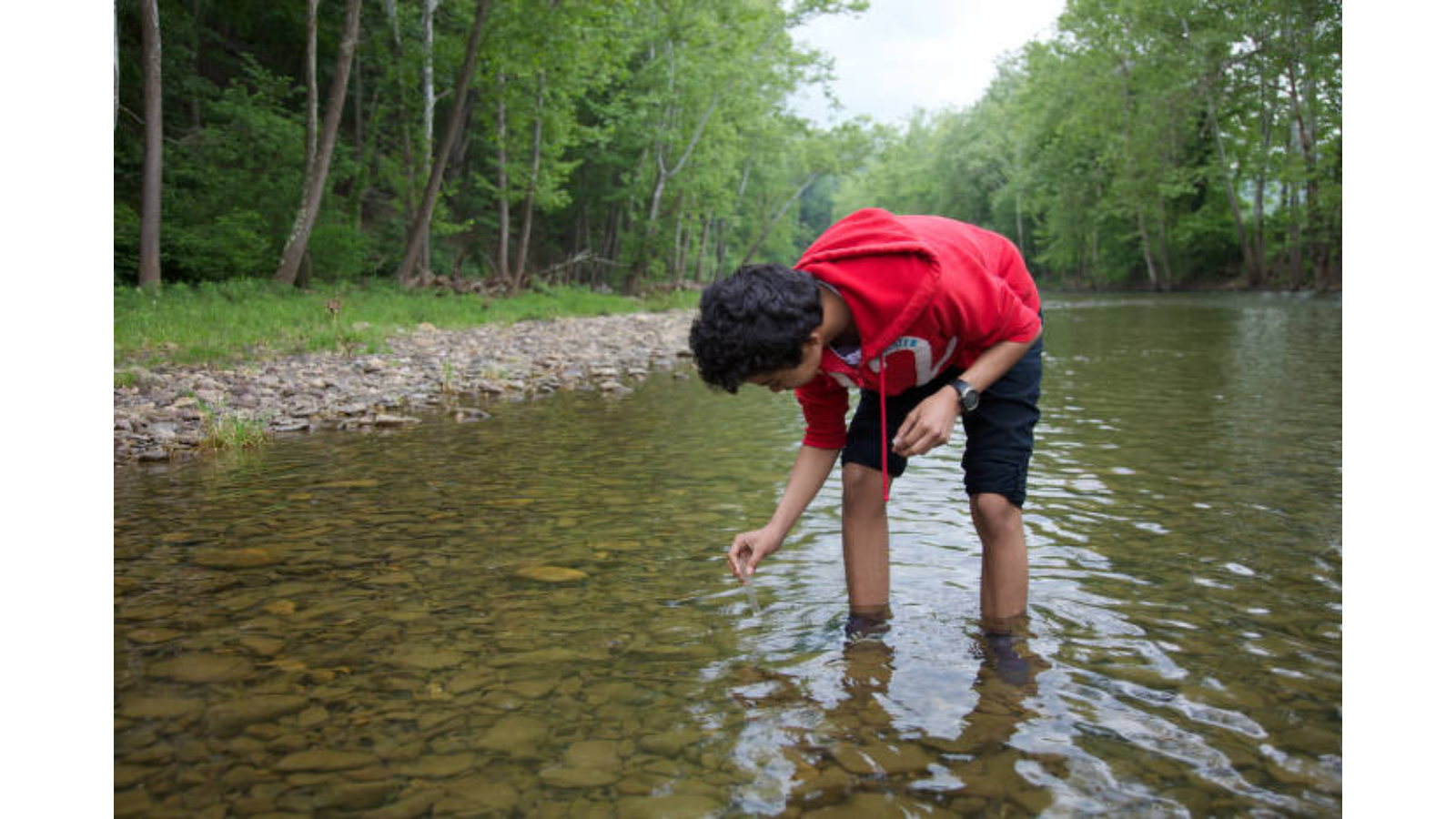
People usually admire forests because they contain diverse life forms and stunning beauty while their essential ability to purify water stays beneath the general awareness. Forests through their natural filtering action contribute substantially to preserving water quality that serves both wilderness and human settlements alongside all creatures. The water filtration process works through trees and forest soil which absorb rainwater before releasing it at a controlled pace into water reservoirs. The natural water filtration system results in constant clean water delivery while making water treatment facilities unnecessary. The amount of forested land in a watershed determines both the simplicity and affordability of water treatment systems therefore forests provide essential value for public health and municipal financial management.
Preventing Pollution and Erosion
Regulating the Water Cycle
The water cycle depends heavily on forests for its regulation process. The evapotranspiration process enables trees to extract soil water which then condenses into clouds that eventually form precipitation. The rainwater slows down when it passes through forest canopies which enables groundwater recharge through absorption. Through this process water supplies remain steady during dry times while heavy rain floods become less likely to occur. The stability of the water cycle declines after forest destruction causes the occurrence of more frequent droughts and floods and unpredictable rainfall patterns which affect agricultural production and water availability outside forest territories.
Economic and Environmental Benefits
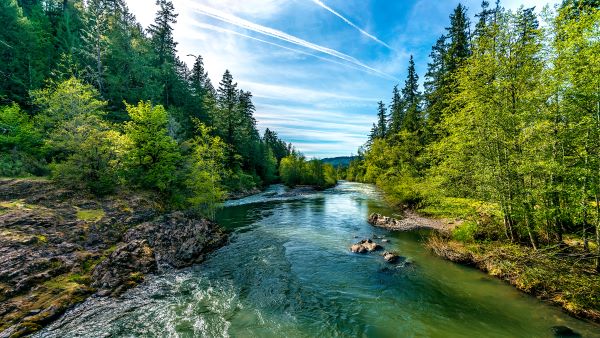
Clean water depends on forest preservation since this connection exists both environmentally and economically. Forests in good condition lead to substantial reductions in the expenses cities and towns face during water treatment processes. Some municipalities have prevented the need for expensive filtration facilities by maintaining their forested watersheds and this has produced both financial and water quality benefits worth billions of dollars. The social value of forests expands because they enable recreational use as well as sustain fish stocks and retain wilderness habitats for different species.
The Cost of Deforestation
Forest clearing operations for agricultural and urban development purposes result in quick and major water quality deterioration. Water sources become contaminated through excessive runoff combined with soil degradation and water pollution which threaten both human drinking water and aquatic ecosystems. Communities become less secure against both flooding and drought conditions after forest loss because forest conservation acts as a vital strategy to ensure water safety.
Conclusion
Forests maintain a direct relationship with clean water resources. The environmental filtration mechanisms of forests work in unison with stabilized water systems to minimize pollution and management expenses which protect our fundamental water source. Forest conservation and restoration initiatives simultaneously protect nature and directly safeguard water quality for daily needs and healthy living in communities.