
Why Monitoring Is Essential
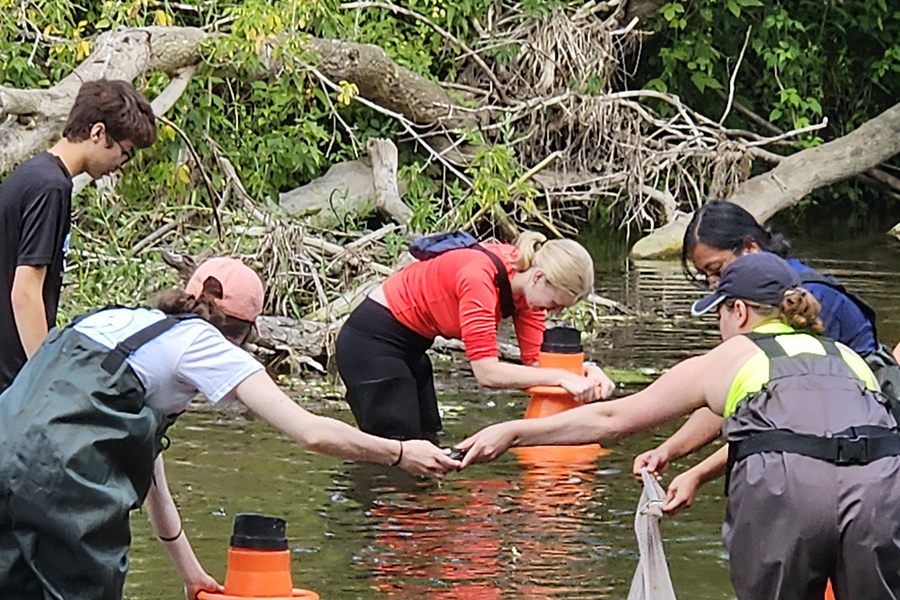
Water resource management strictly depends on watershed monitoring programs. Scientific teams, together with resource managers, obtain relevant information on water quality, along with habitat data and biological community structures, to evaluate the condition of rivers and streams and surrounding territories. The collected data serve essential purposes, including detecting pollution sources, monitoring temporal changes, assessing restoration projects, and preserving water quality for human beings and wildlife populations.
What We Measure
A well-designed watershed monitoring system uses several indicators that, together, provide a precise understanding of watershed condition. These include:
Biological Indicators: The overall ecological condition is assessed through monitoring of fish, aquatic insects (benthic macroinvertebrates), algae, and aquatic plants. These organisms demonstrate the combined effects of pollution and habitat change because they integrate all water quality and quantity impacts across the watershed.
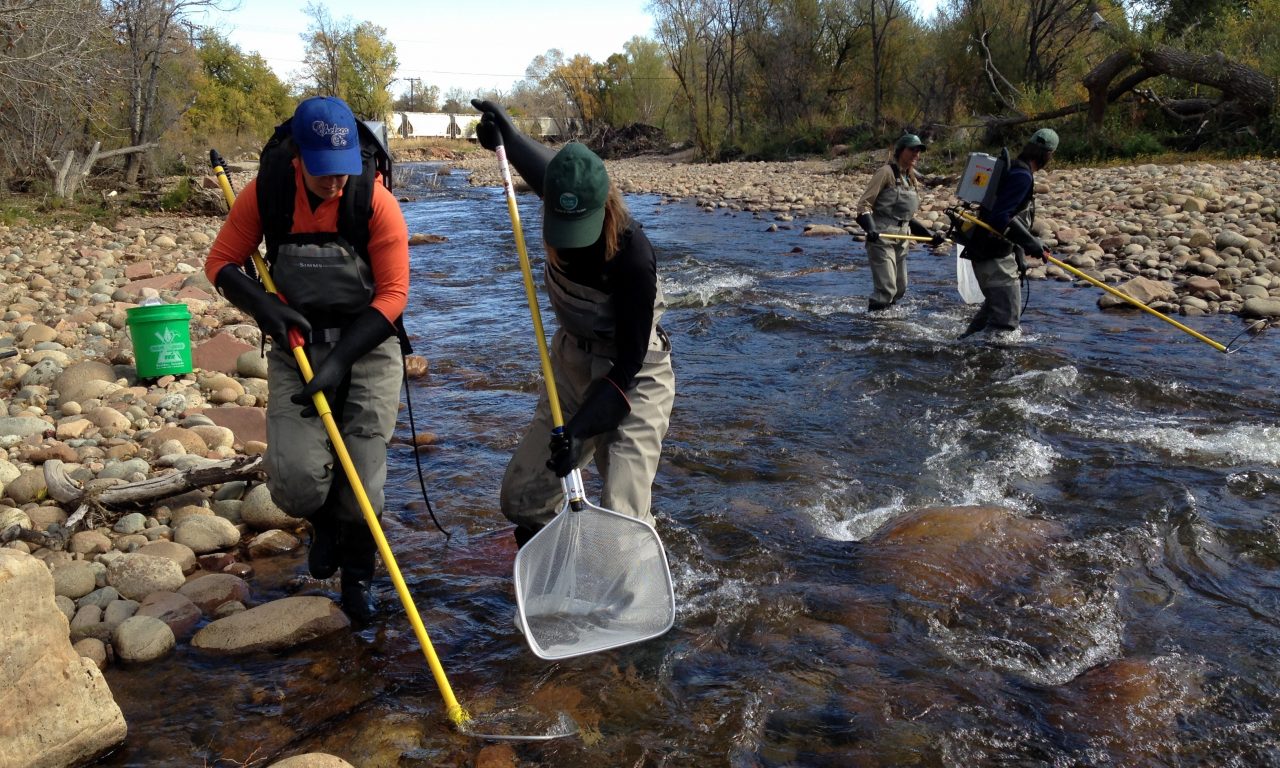
Chemical Indicators: Watershed conditions regarding pollutant types and concentrations become clearer when chemical tests are regularly conducted. Analysis of toxic substances in fish tissue through chemical testing provides information on the overall health of the ecosystem.
Physical Indicators: Stream measurements of temperature, flow rate, turbidity, dissolved oxygen, pH l, level, and other parameters provide essential information on water quality and its contributing stressors. The results of physical assessments reveal any variations stemming from climate events, land management practices, and environmental pollution.
Habitat Assessments: A healthy watershed base depends on assessing riparian vegetation, stream bank conditions, and in-stream habitat integrity. The analysis of habitats frequently reveals declines in biological communities that surface after chemical and physical measurements show normal results.
How We Monitor
The process of watershed monitoring requires both conventional methods and contemporary approaches. Regular field teams follow standardized protocols to measure physical parameters, collect biological specimens and water samples, and conduct habitat assessments. Technology has become indispensable for various purposes. The combination of sensor networks, remote sensing technology, and online monitoring equipment enables continuous data acquisition and rapid detection of pollution events. The combination of smartphone apps with wireless sensor networks has reduced the challenges of data collection and sharing, thereby increasing public engagement and transparency.
Designing Effective Monitoring Programs
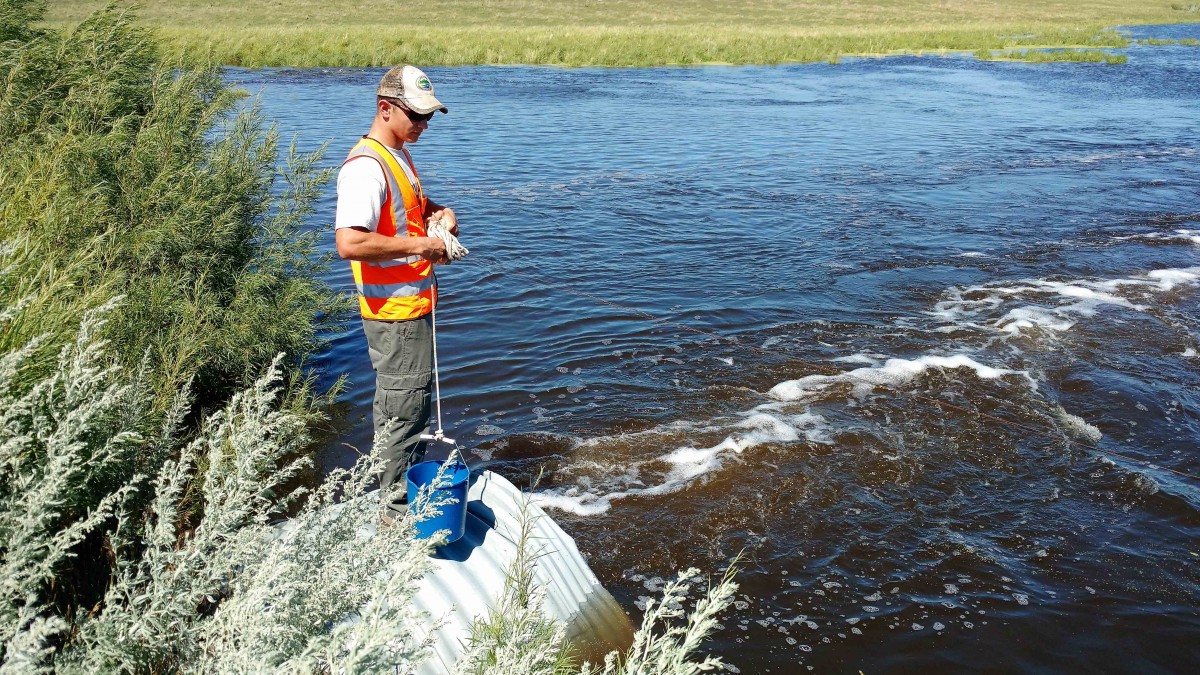
To achieve successful watershed monitoring, one must undertake proper planning. Watershed monitoring programs adopt probabilistic sampling approaches to describe overall health conditions,s but focus their sampling on identified problematic locations or pollution points through targeted sampling. Monitoring different sub-watershed areas through rotating basin methods allows effective resource management and the detection of long-term patterns. Program decision-making for site selection, along with the adopted methods, depends on project objectives that include tracking restoration success, detecting threats, and meeting regulatory requirements.
Turning Data into Action
Monitoring provides knowledge for managing watersheds, through which restoration projects receive guidance, CE, and public participation occur. The process of monitoring allows us to make effective use of resources while establishing objective progress measurements by identifying trends, locating sources, and evaluating interventions. People who access public data on watershed health can mobilize to defend clean water, thereby contributing to environmental stewardship.
Conclusion
The continuously running multidisciplinary watershed health monitoring program integrates field activities with technological solutions and community involvement. We obtain vital knowledge to safeguard our water supplies through biological, chemical, physical, and habitat indicator tracking, benefiting present and future generations.