
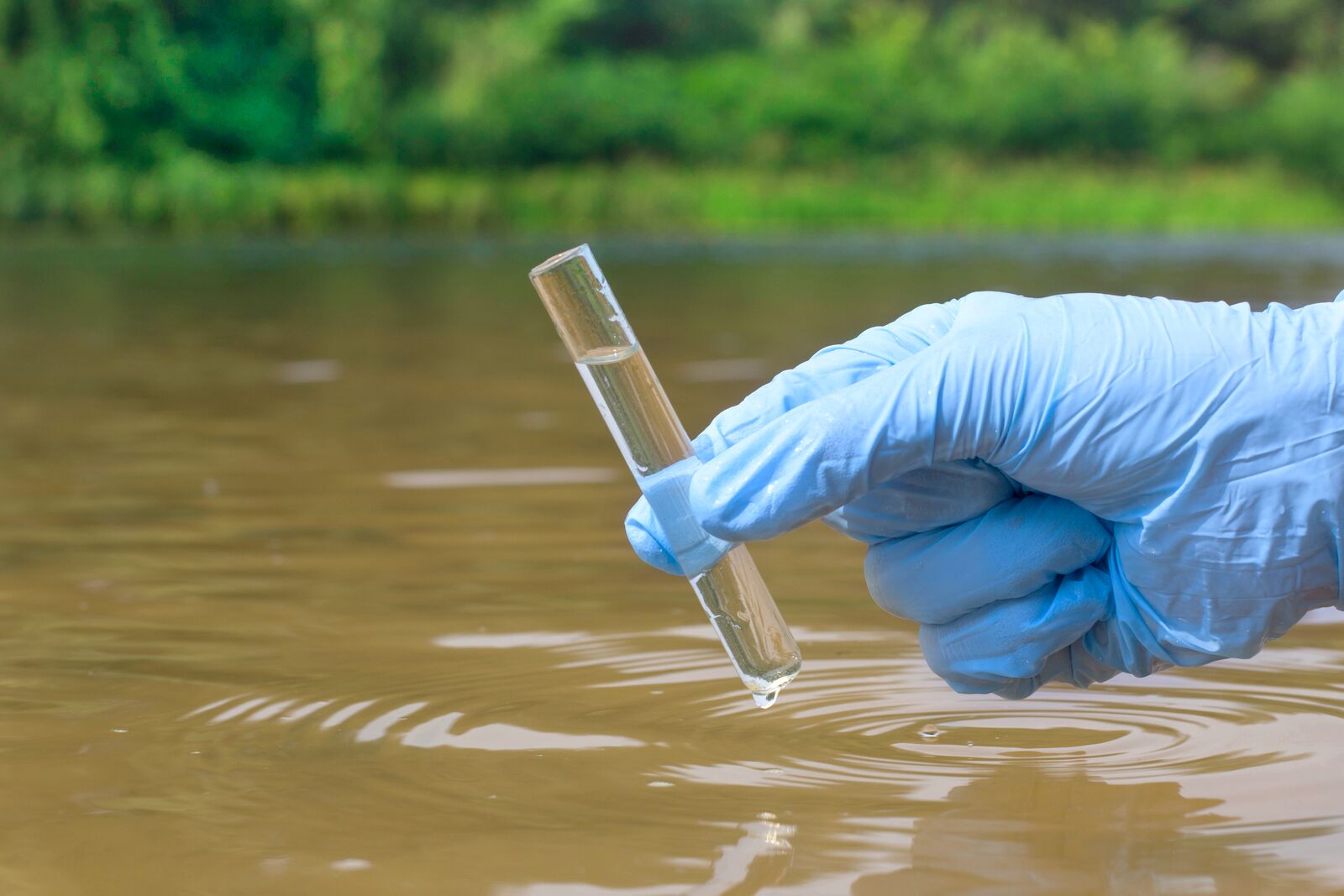
Unlocking the Story in Every Drop
The combined chemical and biological parameters in these tests enable a comprehensive assessment of water safety and ecosystem health. Water quality tests provide more than visual clarity inspections because they expose the concealed information about what water systems contain. The physical, chemical, and biological parameters combined in these tests enable comprehensive analysis of water safety, ecosystem health, and pollution control. Understanding the measurement criteria for water quality tests and their importance enables us to make better decisions regarding public health protection, environmental safety, and resource management.
The Three Pillars of Water Quality Testing
The framework for water quality testing consists of physical examination, chemical investigation, and biological assessment. Quick information on water contamination and usability emerges from physical tests that assess temperature and turbidity, as well as color and odor. High turbidity indicates soil erosion or runoff, whereas abnormal odors or colors reveal organic or chemical pollutants in the water. Physical signs usually detect water contamination before any other indicators emerge in waterways or supply systems.

The analysis using chemical tests provides detailed measurements of pH, dissolved oxygen (DO), total dissolved solids (TDS), nutrients (nitrate and phosphate), and heavy metals. Water quality assessment through these tests provides distinct insights into the water environment. pH affects both water taste and the survival rates of aquatic organisms, while DO sustains aquatic organisms; low DO readings indicate organic pollution or excessive waste. High TDS levels affect both drinking water taste and plumbing systems, while heavy metals such as lead and arsenic present significant health dangers to consumers. The detection of harmful agricultural runoff relies heavily on nutrient testing for nitrates and phosphates, as these substances trigger algal blooms and degrade aquatic ecosystems.
The examination of living organisms present in water forms the basis of biological testing. The detection of E. coli or coliform bacteria in water indicates contamination with sewage and animal waste, requiring immediate action to ensure safe drinking water. Scientists use aquatic insect diversity and algal counts to evaluate both ecosystem health and the overall environmental impact of pollution.
Interpreting the Results: More Than Just Numbers
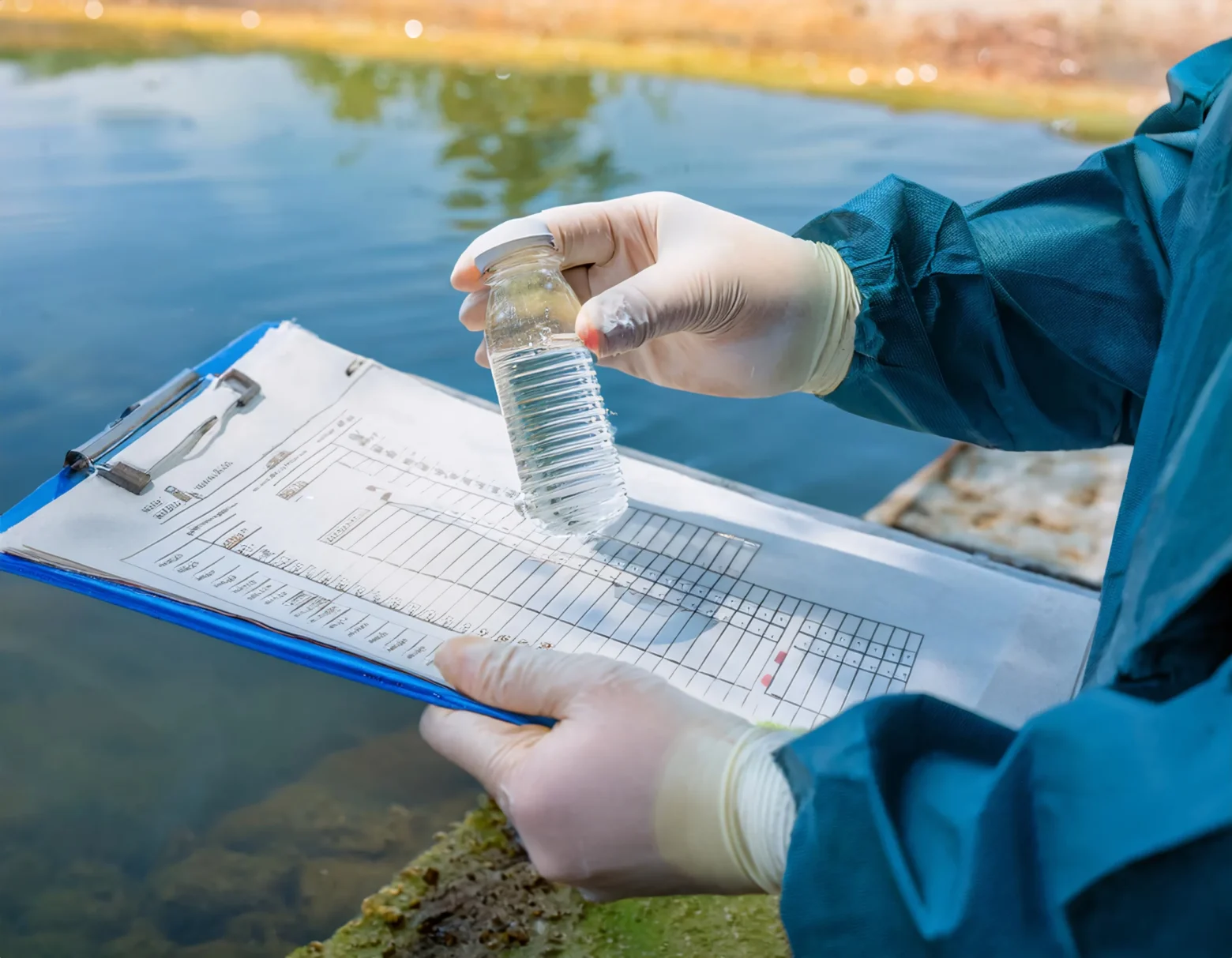
Water quality test results gain their most important meaning through proper analysis. The laboratory compares test results with regulatory standards set by the World Health Organization and national environmental authorities. When water quality standards are surpassed, scientists trigger an immediate response that includes issuing water-boil alerts, facility upgrades, and source investigations. Multiple rounds of testing over time reveal patterns that demonstrate how water quality measures both positive and negative changes, as well as the impact of restoration programs. The extended data collection period is critical to watershed management, public health protection, and policy development.
The Bigger Picture: Safeguarding Health and Ecosystems
Water quality tests serve as essential protective measures to ensure the health and safety of people and natural systems. Community detection of imperceptible threats alongside safety standard compliance monitoring and pollution control measure evaluation is made possible through these testing methods. These tests reveal what remains unseen, allowing us to defend our essential resource of clean, safe water for future generations.